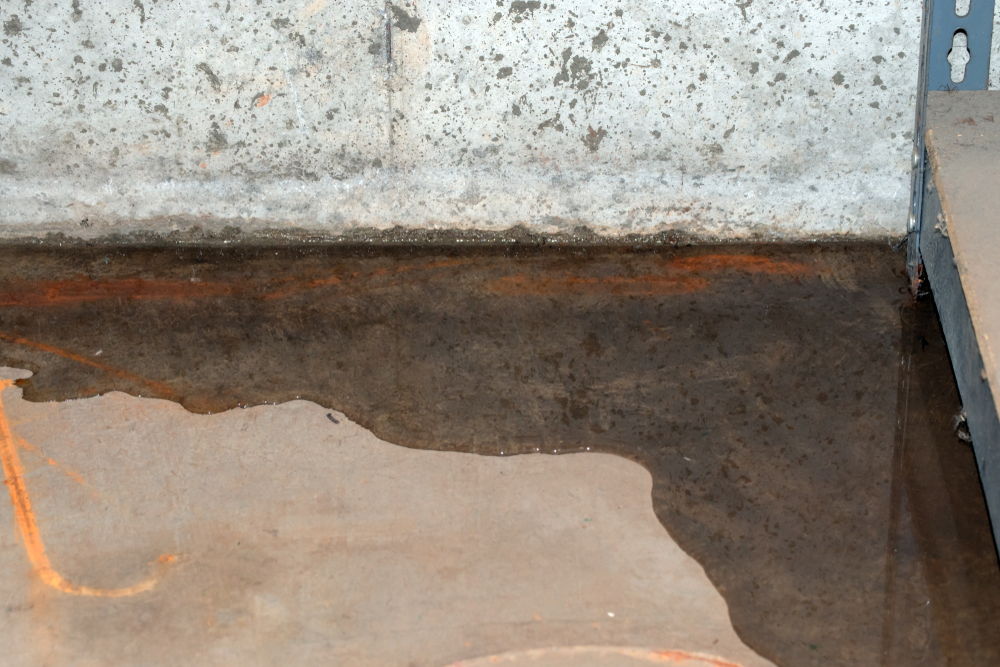
When it comes to protecting your home, one of the most overlooked yet critical aspects is your drainage system. Homeowners often focus on roofing, siding, or even landscaping before considering how water flows around their property. Yet, the link between drainage and foundation failure is direct and potentially devastating. In regions like Madison, MS where rainfall can be substantial and soil composition variable, improper drainage can lead to costly structural issues. Understanding how foundation drainage works and implementing proper solutions can be the difference between a sturdy home and one plagued by cracks, settling, and long-term instability.
Foundation issues don’t arise overnight. They often result from a slow and steady process where water gradually undermines the soil beneath your home. When water isn’t directed away from your house effectively, it begins to pool around the foundation. This excess moisture can saturate the soil, cause hydrostatic pressure, and lead to cracks and shifting in the foundation walls. Whether you’re building a new home or maintaining an older one, integrating good drainage practices from the start is crucial to long-term structural health.
The Role of Foundation Drainage in Home Stability
Foundation drainage systems are designed to keep water away from the base of your home. Without proper drainage, water accumulates and seeps into the ground surrounding your foundation, destabilizing the soil and creating pressure against the concrete. In Madison, MS, the combination of clay-heavy soils and periodic heavy rainfall creates an environment particularly vulnerable to such damage. Clay expands when wet and contracts when dry, which causes the ground to shift. Over time, this movement can cause foundation walls to crack or bow.
Effective foundation drainage involves more than just avoiding puddles in your yard. It includes a network of tools and systems such as sump pump installation, downspout extension installation, and well-planned surface grading. A sump pump helps remove water that collects in a basement or crawlspace, reducing the risk of flooding. Downspout extensions move roof runoff far away from your home’s foundation, decreasing soil saturation near the base. Home grading and leveling ensures that the ground slopes away from your home, which allows water to flow naturally toward storm drains or other designated drainage areas.
Even homes without basements need solid drainage solutions. Slab foundations are not immune to water issues. Water pooling around a slab can lead to erosion underneath, eventually causing cracks or sinking. The importance of foundation drainage in preventing these issues cannot be overstated. It’s a proactive investment that not only preserves the integrity of your home but also protects its value over time.
Surface Drains vs. French Drains: Choosing the Right System
When deciding on a drainage solution, one of the most common dilemmas homeowners face is the choice between surface drains and French drains. Each type serves a different purpose and is effective under different conditions, making the decision largely dependent on your home’s specific needs and geography.
Surface drains are ideal for areas where water visibly pools during or after rain. These drains are installed at ground level and quickly capture and channel water away. They are often placed in low spots in the yard or near paved areas like patios and driveways. In a city like Madison, MS, where sudden rainstorms are common, surface drains can be highly effective for preventing short-term pooling and minimizing standing water.
French drains, on the other hand, are more suitable for dealing with subsurface water that isn’t always visible. A French drain consists of a perforated pipe buried in a trench filled with gravel. Water seeps into the gravel and pipe, which then redirects it away from your foundation. This system is particularly useful in areas with consistently high moisture levels or near hillsides where water runs underground toward the home. In some cases, a combination of both surface and French drains may be necessary to fully protect your home from drainage-related foundation damage.
Understanding the nuances of surface drains vs. French drains can be challenging without expert guidance. Consulting with a drainage professional who understands the local climate and soil types in Madison, MS ensures that the right system is installed to meet your specific needs. This tailored approach is key to preventing foundation failure and maintaining long-term home safety.
The Importance of Downspout Extension Installation
Another essential yet often overlooked component of a home’s drainage strategy is the downspout extension. Gutters are designed to capture rainwater from your roof, but without proper downspout extension installation, that water is deposited directly at the base of your home. Over time, this contributes to soil saturation and foundation weakening. Simply extending your downspouts by a few feet can make a dramatic difference in where the water ends up.
In many homes, downspouts release water only a foot or two from the house. This may not seem problematic in dry weather, but during storms, it can result in gallons of water pooling dangerously close to your foundation. Installing downspout extensions moves this water farther into your yard or toward a designated drainage system, keeping it from seeping into the soil near your foundation walls.
In Madison, MS, where stormwater management is a real concern, the importance of this simple solution cannot be overstated. With the right downspout extension installation, you’re not just diverting water; you’re protecting your entire home’s structural foundation. It’s an affordable, effective first step toward a comprehensive foundation drainage strategy.
Additionally, you can choose flexible or rigid extensions depending on your landscaping layout. Some homeowners even opt for underground extensions that connect to storm drains, offering a clean and unobtrusive appearance while providing effective water redirection. Regardless of the type you choose, ensuring your downspouts extend far enough from your home is vital to minimizing foundation stress and preventing costly repairs.
Home Grading and Leveling: The First Line of Defense
Home grading and leveling play a foundational role in effective water management. Essentially, grading involves sculpting the land around your home to create a slope that directs water away from the structure. Without proper grading, water naturally flows toward your house, soaking the soil and exerting pressure on the foundation walls. Over time, this moisture intrusion can lead to leaks, mold, and structural damage.
A common problem in Madison, MS homes is uneven settling caused by poor grading. Homeowners may notice that water always seems to pool in one area of the yard or that their basement becomes damp after heavy rains. These are clear signs that the yard may be sloped incorrectly. A professional grading assessment can determine whether the soil needs to be re-contoured or if additional drainage systems like swales or berms should be installed.
Leveling ensures that no part of your yard traps water in depressions that lead back to the house. Often, homebuilders perform basic grading during construction, but over time, soil can shift or erode, especially in climates with seasonal rainfall like Mississippi. Regular inspections and touch-ups are necessary to maintain the proper grade and prevent long-term drainage issues.
Investing in proper home grading and leveling is not just about avoiding puddles. It’s a crucial defense against foundation erosion. When paired with other drainage solutions such as French drains or sump pump installation, proper grading creates a holistic system that keeps your home safe and dry.
Sump Pump Installation: Your Emergency Backup
For homes with basements or crawl spaces, sump pump installation serves as the final safeguard against water intrusion. A sump pump is installed in a pit at the lowest point of the basement. When water collects in the pit, the pump activates and removes the water from the house via a discharge pipe. This prevents flooding and minimizes the long-term risk of water-related foundation damage.
In a place like Madison, MS, where seasonal rains can cause sudden water accumulation, sump pumps provide critical protection. Without one, a single severe storm could lead to several inches of water in your basement, creating both structural and health hazards. Mold, mildew, and rot are common in chronically wet environments, and they only compound the problems created by foundation cracks.
Modern sump pumps can be equipped with battery backups, ensuring they operate even during power outages, which are not uncommon during storms. Regular maintenance and inspection are essential to ensure the pump is functioning properly, especially before the rainy season begins.
Sump pump installation is an investment, but it’s one that can save you thousands in potential damage. When integrated with other drainage strategies like grading, French drains, and downspout extensions, a sump pump becomes part of a comprehensive foundation protection plan. It’s a system that not only responds to emergencies but also contributes to the long-term integrity of your home.
Conclusion
The connection between drainage and foundation failure is not merely theoretical; it’s a real and pressing concern for homeowners, especially in regions like Madison, MS where heavy rain and clay soil are part of everyday life. Whether it’s surface drains vs. French drains, proper downspout extension installation, home grading and leveling, or sump pump installation, each component plays a vital role in preventing water from damaging your home’s foundation.
Ignoring these systems or failing to maintain them can lead to costly repairs, reduced home value, and ongoing safety concerns. By taking proactive steps to assess and improve your foundation drainage, you’re not just preserving your property; you’re protecting your investment, your comfort, and your peace of mind.
If you’re unsure where to start, consider consulting with a local drainage expert who understands the specific conditions in Madison, MS. A tailored approach that combines proper grading, water redirection, and drainage systems will offer the best defense against foundation failure. With the right planning and maintenance, your home can remain secure and stable for decades to come.